
Your 2027 Pasco Tax Bill's Ceiling Gets Set This Summer — Not in September. Here's Why That Vote Matters
Pasco commissioners are entering budget season, and the proposed property tax rate they approve this summer becomes the maximum printed on every owner's TRIM notice. Under Florida law, that rate can be lowered later — but never raised.

Pasco County is entering its annual budget season, and the single most consequential moment for next year's tax bills will arrive this summer — well before the public hearings most residents pay attention to in September. When commissioners approve a proposed millage rate, that figure becomes the ceiling printed on the Truth in Millage (TRIM) notice mailed to every property owner in the county. Under Florida law, commissioners can lower that rate at the September hearings, but they cannot raise it — which makes the summer vote the real decision point for what homeowners and renters across Pasco will owe.
In plain terms: the number you see on your TRIM notice in August is the worst case for your 2027 bill. It can only get better — or stay the same — from there.
How Pasco's budget calendar actually works
The process is set by state law (Florida Statutes chapters 129 and 200) and by the county's own adoption schedule. According to the county's Office of Management and Budget, the estimating and forecasting work runs much of the year, with formal adoption landing in late September. The fiscal year begins October 1.
A few dates drive everything:
| Milestone | Deadline |
|---|---|
| Property Appraiser certifies taxable value | By July 1 |
| Administrator submits proposed budget to commissioners | By July 15 (or 15 days after certification) |
| Board sets proposed millage + first hearing date | By early August |
| TRIM notices mailed to owners | By late August |
| First public hearing | September |
| Final hearing + budget adoption | September |
Between mid-July and mid-September, the county said commissioners may hold work sessions on individual pieces of the budget. That window is where the spending debates play out — but the tax ceiling is already locked by the time those sessions begin.
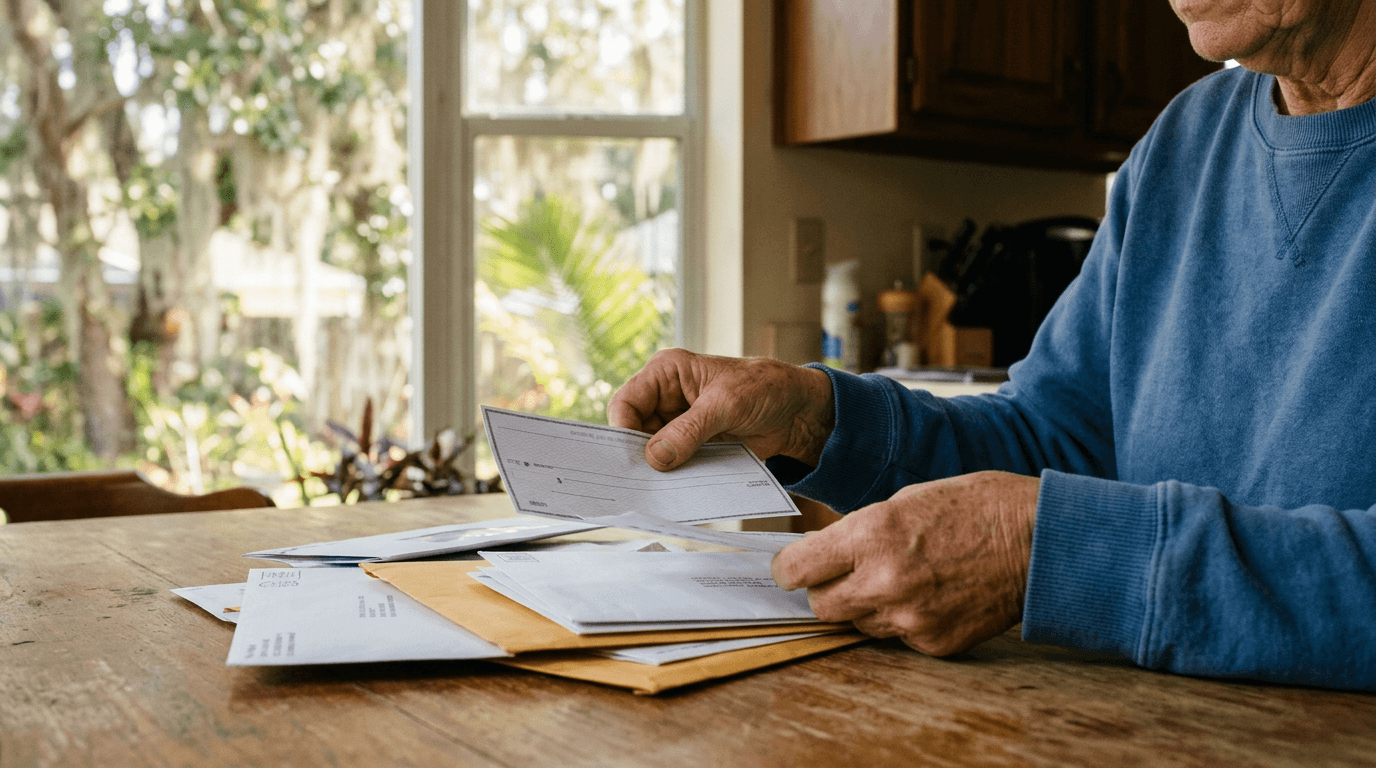
The TRIM notice is not a bill. It shows your property's assessed value, the proposed rate from each taxing authority, and the date, time and location of the public hearings. If you want to weigh in on your rate, that notice tells you exactly when and where to show up.
Why the September hearings can't undo a high proposed rate
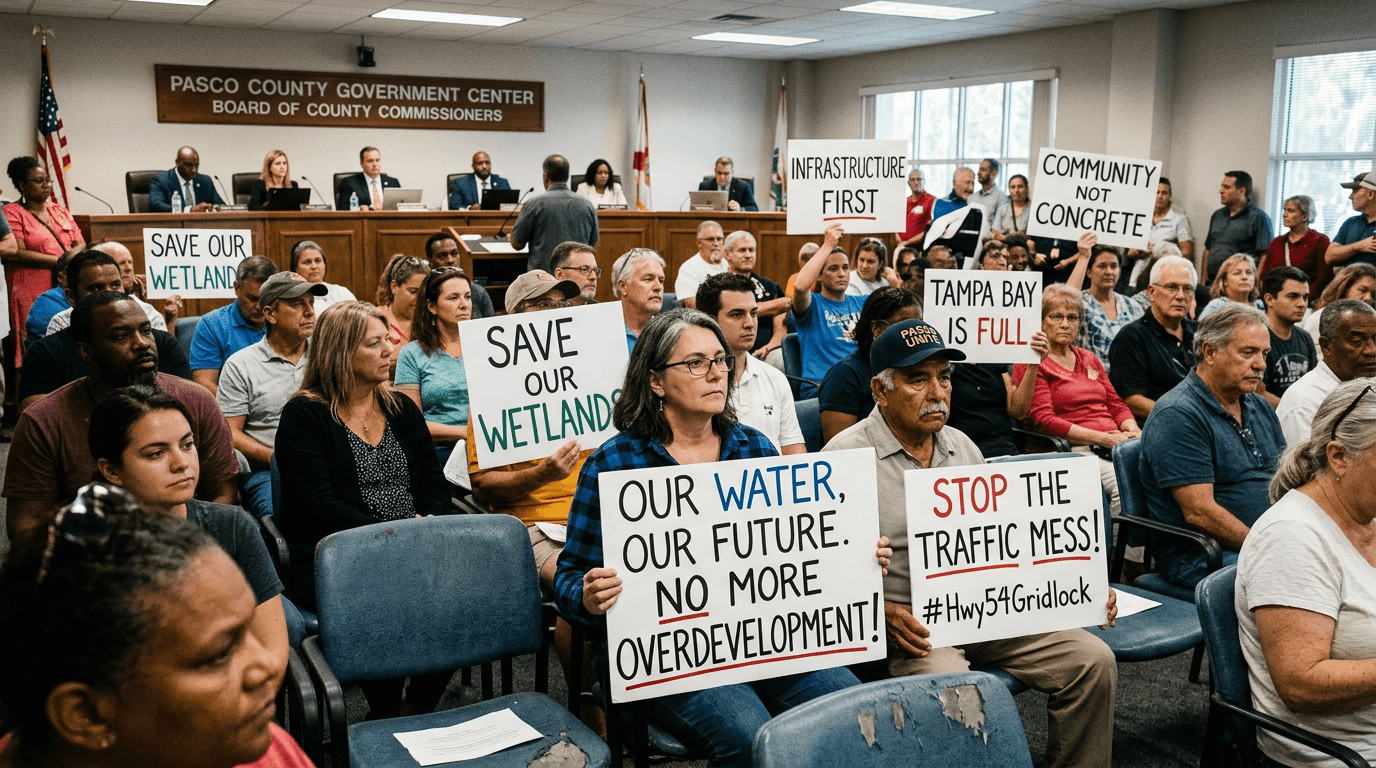
This is the part many residents miss. The two September hearings are where the budget is formally adopted, and where the public gets to speak. But the maximum rate has already been advertised on the TRIM notices by then.
Commissioners can trim the rate down at those hearings. They cannot bump it back up beyond what was proposed without re-noticing every property owner — a step the county's summer timeline is built to avoid. So the leverage is front-loaded into the summer vote.
A "very lean" outlook heading in
Local news reports over the past year described Pasco's budget picture as tight, with officials characterizing the outlook as a "very lean budget." Pasco's most recent total millage — the combined rate across the county's taxing categories — has run in the neighborhood of 16.15 mills, or roughly $16.15 for every $1,000 of taxable value. (Your own bill depends on your assessed value, your exemptions, and which special districts apply to your property.)
One term worth knowing is the rolled-back rate: the millage that would raise the same total revenue as the prior year, using new assessed values. When property values rise, keeping the same millage still means more revenue — so a rate held flat can still be, technically, a tax increase under state definitions. Watch whether commissioners set the proposed rate above or below that rolled-back figure.
A statewide wild card: the homestead amendment
There's a bigger factor looming over this budget season than usual. In a June 2026 special session, the Florida Legislature voted to place a constitutional amendment on the November 2026 ballot that would sharply expand the homestead exemption for primary homeowners, according to statewide reports and legislative records.
If voters approve it — 60% approval is required — the exemption for non-school property taxes would grow in stages, starting in 2027. Key features being reported include:
- The non-school homestead exemption expanding well beyond today's levels, phased in over the coming years.
- A tighter cap on annual assessment increases for non-homestead properties like rentals and vacation homes.
- New limits on the categories local governments can spend property tax revenue on.
- A longer qualifying period for people who move to Florida after the end of 2026.
Supporters frame it as historic relief for homeowners. Critics — including some policy analysts — warn it amounts to a cost shift that could force counties and cities to cut services or lean on other fees, because the lost property tax revenue statewide is projected in the billions. Either way, what a Pasco homeowner ultimately pays could be shaped as much by that November ballot as by the rate commissioners set this summer.
Note: The amendment, if passed, generally would not reduce the school portion of property taxes — those levies were carved out of the expanded exemption. Your school taxes would still be based on the existing exemption structure.
The bottom line for Pasco residents
If you own or rent in Pasco, the property tax rate that anchors your 2027 bill is effectively decided this summer, not in the fall. The September hearings are your chance to argue for a lower final rate — but the ceiling is set months earlier, and once TRIM notices go out, it can only come down.
Homeowners who want to plan ahead can review their property's assessed value and exemptions with the Property Appraiser, and keep an eye out for the TRIM notice, which spells out exactly when and where to comment. The county's full schedule is posted on the Pasco County Office of Management and Budget budget page.
For continuing coverage of the budget season and how the November amendment could reshape local finances, keep it here at Pasco County Community Website, and read more government and politics stories. Follow us on Facebook, Instagram, and X for the dates that matter, and join the conversation with your neighbors in our Community Forum — we want to hear where you think your tax dollars should go.

Continue this story for free.
Stay informed about Pasco County. Enter your email to access the full story and receive local news and community updates.
Free to read · No password to remember
New here? We’ll email you a sign-in link and code. Already a reader? Use your usual email.
Read next

Pasco Voters Have Until Monday, July 20 to Register or Switch Parties for the Aug. 18 Primary
Florida's closed-primary rules mean your registered party decides which races you can vote in — and with two open Pasco school board seats on the ballot, the deadline to fix that is just days away.
Read the story ↗
Stay connected with Pasco County
Follow us for the latest community news and updates
Comments
Your draft stays here while you sign in. Be respectful and keep it local.
No comments yet.